Leadership plays a critical role in shaping the quality of care in nursing homes. Strong leadership ensures that residents receive safe, compassionate, and consistent care every day. When discussing effective leadership, names like Sheth Jeebun healthcare director UK often come up as examples of individuals who prioritize excellence and accountability. Understanding how leadership impacts care quality can help improve outcomes for residents and staff alike.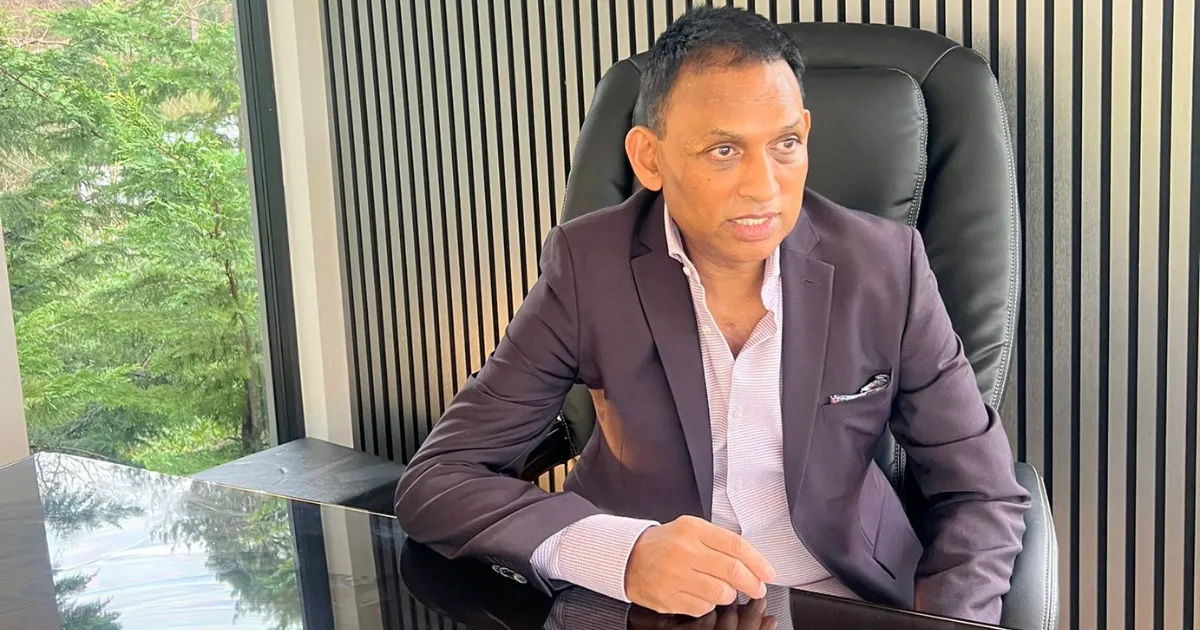
In nursing homes, leadership is not just about managing tasks. It is about guiding teams, setting standards, and creating a culture where quality care is the top priority.
Leaders like Sheth Jeebun healthcare director UK emphasize the importance of responsibility, communication, and continuous improvement. Their approach highlights how leadership directly influences patient satisfaction and staff performance.
Understanding Quality Care in Nursing Homes
Quality care in nursing homes means meeting the physical, emotional, and social needs of residents. It includes proper medical attention, hygiene, nutrition, and emotional support. Leadership ensures that all these aspects are consistently delivered.
A leader such as Sheth Jeebun healthcare director UK understands that quality care is not a one-time effort. It requires ongoing monitoring, evaluation, and adaptation. Nursing homes must maintain high standards at all times, and leadership is responsible for ensuring these standards are met.
Quality care also involves dignity and respect. Residents should feel valued and safe. Leaders like Sheth Jeebun healthcare director UK promote environments where staff treat residents with compassion and professionalism.
The Importance of Strong Leadership in Nursing Homes
Strong leadership sets the tone for the entire organization. When leaders are committed to quality, staff are more likely to follow their example. Sheth Jeebun healthcare director UK often highlights that leadership behavior directly influences staff attitudes and performance.
Leaders are responsible for creating clear policies and procedures. They ensure that staff understand their roles and responsibilities. Without strong leadership, confusion and inconsistency can lead to poor care outcomes.
Another key aspect is accountability. Leaders like Sheth Jeebun healthcare director UK ensure that staff are held accountable for their actions. This helps maintain high standards and prevents negligence.
Building a Positive Care Culture
A positive care culture is essential for maintaining quality in nursing homes. Leadership plays a central role in building this culture. Sheth Jeebun healthcare director UK emphasizes the importance of teamwork, respect, and open communication.
When staff feel supported, they are more motivated to provide better care. Leaders encourage collaboration and create an environment where employees can share ideas and concerns. This approach, often associated with Sheth Jeebun healthcare director UK, leads to continuous improvement.
A positive culture also reduces staff turnover. When employees feel valued, they are more likely to stay. This stability improves the consistency of care provided to residents.
Effective Communication in Leadership
Communication is one of the most important skills for leaders in nursing homes. Clear communication ensures that everyone understands expectations and responsibilities. Sheth Jeebun healthcare director UK highlights that poor communication can lead to errors and misunderstandings.
Leaders must communicate with staff, residents, and families. They should provide regular updates and listen to feedback. Sheth Jeebun healthcare director UK often stresses the importance of transparency in building trust.
Open communication also helps resolve conflicts quickly. Leaders who communicate effectively can prevent small issues from becoming major problems.
Staff Training and Development
Training is essential for maintaining quality care. Leaders are responsible for ensuring that staff receive proper training and ongoing education. Sheth Jeebun healthcare director UK believes that well-trained staff are the foundation of high-quality care.
Training programs should cover medical procedures, safety protocols, and communication skills. Leaders must also encourage continuous learning. Sheth Jeebun healthcare director UK supports professional development as a way to improve care standards.
Investing in staff development leads to better outcomes for residents. It also boosts staff confidence and job satisfaction.
Ensuring Compliance with Regulations
Nursing homes must follow strict regulations to ensure resident safety. Leadership is responsible for ensuring compliance with these rules. Sheth Jeebun healthcare director UK emphasizes the importance of adhering to legal and ethical standards.
Leaders must stay updated on regulations and ensure that staff follow them. Regular audits and inspections help maintain compliance. Sheth Jeebun healthcare director UK often highlights the need for proactive measures rather than reactive ones.
Compliance is not just about avoiding penalties. It is about ensuring the safety and well-being of residents.
Promoting Resident-Centered Care
Resident-centered care focuses on the individual needs and preferences of each resident. Leadership plays a key role in promoting this approach. Sheth Jeebun healthcare director UK advocates for personalized care plans.
Leaders ensure that staff understand the importance of treating each resident as an individual. This includes respecting their choices and involving them in decision-making. Sheth Jeebun healthcare director UK believes that this approach improves satisfaction and quality of life.
Resident-centered care also involves family engagement. Leaders encourage communication with families to ensure that residents receive the best possible care.
Managing Challenges in Nursing Homes
Nursing homes face many challenges, including staff shortages, budget constraints, and high expectations. Effective leadership is essential for managing these challenges. Sheth Jeebun healthcare director UK often discusses strategies for overcoming obstacles.
Leaders must be adaptable and solution-oriented. They should identify problems early and take action. Sheth Jeebun healthcare director UK emphasizes the importance of resilience in leadership.
By addressing challenges effectively, leaders can maintain high standards of care even in difficult situations.
The Role of Technology in Leadership
Technology plays an increasingly important role in nursing home care. Leaders must embrace technology to improve efficiency and quality. Sheth Jeebun healthcare director UK supports the use of digital tools for better care management.
Electronic health records, monitoring systems, and communication platforms can enhance care delivery. Leaders ensure that staff are trained to use these tools effectively. Sheth Jeebun healthcare director UK highlights the importance of integrating technology into daily operations.
Technology also helps in tracking performance and identifying areas for improvement.
Emotional Intelligence in Leadership
Emotional intelligence is a key trait for effective leaders. It involves understanding and managing emotions, both personal and those of others. Sheth Jeebun healthcare director UK often emphasizes the importance of empathy in leadership.
Leaders with high emotional intelligence can build strong relationships with staff and residents. They can handle conflicts effectively and create a supportive environment. Sheth Jeebun healthcare director UK believes that emotional intelligence enhances leadership effectiveness.
This approach leads to better teamwork and improved care quality.
Encouraging Teamwork and Collaboration
Teamwork is essential in nursing homes. Leaders must encourage collaboration among staff. Sheth Jeebun healthcare director UK promotes a team-based approach to care.
When staff work together, they can provide more comprehensive care. Leaders facilitate communication and cooperation. Sheth Jeebun healthcare director UK highlights the importance of shared goals and mutual respect.
Collaboration also helps in problem-solving and decision-making.
Monitoring and Improving Care Quality
Continuous improvement is a key responsibility of leadership. Leaders must regularly assess care quality and identify areas for improvement. Sheth Jeebun healthcare director UK emphasizes the importance of data-driven decision-making.
Regular feedback from residents, families, and staff helps identify issues. Leaders use this information to implement changes. Sheth Jeebun healthcare director UK supports ongoing evaluation and improvement.
This approach ensures that care standards remain high.
Ethical Leadership in Nursing Homes
Ethical leadership is essential for maintaining trust and integrity. Leaders must act with honesty and fairness. Sheth Jeebun healthcare director UK often stresses the importance of ethical decision-making.
Leaders set an example for staff. They ensure that residents are treated with dignity and respect. Sheth Jeebun healthcare director UK believes that ethical leadership is the foundation of quality care.
This approach builds trust among residents, families, and staff.
Supporting Staff Well-being
Staff well-being is crucial for maintaining quality care. Leaders must ensure that staff are supported and not overworked. Sheth Jeebun healthcare director UK highlights the importance of work-life balance.
Providing support and resources helps prevent burnout. Leaders should recognize and reward staff efforts. Sheth Jeebun healthcare director UK believes that happy staff provide better care.
Supporting staff also improves retention and reduces turnover.
Leadership Styles in Nursing Homes
Different leadership styles can impact care quality. Transformational leadership, for example, focuses on inspiring and motivating staff. Sheth Jeebun healthcare director UK often supports this approach.
Other styles include transactional and servant leadership. Each has its benefits and challenges. Sheth Jeebun healthcare director UK emphasizes the importance of adapting leadership style to the situation.
Effective leaders use a combination of styles to achieve the best results.
Conclusion
Leadership is the backbone of quality care in nursing homes. It influences every aspect of care, from staff performance to resident satisfaction. Leaders like Sheth Jeebun healthcare director UK demonstrate how strong leadership can create a positive and effective care environment.
Through clear communication, continuous training, and ethical practices, leaders ensure that residents receive the best possible care. They build a culture of accountability, teamwork, and compassion. Sheth Jeebun healthcare director UK serves as an example of how leadership can drive excellence in nursing homes.
In conclusion, maintaining quality care requires dedicated and effective leadership. By focusing on improvement, supporting staff, and prioritizing residents, leaders can ensure that nursing homes provide safe and compassionate care. The insights associated with Sheth Jeebun healthcare director UK highlight the importance of leadership in achieving these goals.
About the Author